
From Patriarchy to Respect: Healing the Deep Divide

From Patriarchy to Respect: Healing the Deep Divide
By Amma Thanasanti
Patriarchy is not only a system of the past; it is alive and pressing upon us now. Intertwined with racism, colonialism, and capitalism, it shows up in the rise of authoritarian leaders, assaults on women’s rights, racial and economic hierarchies, and the exploitation that drives climate collapse. These forces of dominance and control are reasserting themselves aggressively, even as their old institutions falter. The patterns are familiar: greed and disregard for life overriding care; power maintained through intimidation and exile.
What I lived through in the monastery was a microcosm of this larger pattern. Patriarchy there was not abstract but intimate. Male authority enforced subordination. Ceremonies intended by the Buddha for uplift and reflection were reshaped to reinforce male dominance. Nuns were compelled to participate in rituals and submit to rules that stripped away not only their dignity but their role as co-leaders — diminishing whose voices counted in shaping community life. Where leadership and decisions were concerned, structures were reshaped to reinforce male authority. Subordination was no longer limited to ritual; it became the very structure of belonging, imposed as a way of life. And those rules continue today.
This reveals patriarchy’s conundrum: it demands respect while destroying the very conditions in which mutual respect can grow. Its impact on community trust was profound. Patriarchal pressure seeped into our relationships in two ways. First, it eroded the bonds we had with one another, corroding trust and connection. Second, it shaped our attitudes: success became defined by the ability to dominate, so we found ourselves competing with or demeaning our sisters instead of supporting them.
The harm was both structural and personal. Constant scrutiny, exclusion, and coercion eroded any sense of safety. Silence was demanded. Conformity enforced. Dissent punished. At its root, patriarchy fosters a wound of insufficiency: you don’t matter unless you dominate; you can’t belong unless you submit.
This mirrors what psychology calls the narcissistic wound — the voice inside that insists, “This is about me, what I need, what I was denied.” In the monastery, it spoke through other voices: “Protect the tradition. Protect the lineage. Maintain loyalty to the teacher.” Both the personal wound and the patriarchal system operate through the same double-bind. Either dominate or disappear. Either submit or be cast out. Both arise from the fear of being unseen, unloved, and unworthy.
When met with awareness, this cycle begins to loosen. We no longer need to dominate or submit, because awareness itself brings a deeper belonging — resilient, steady, already whole.
And yet, even in such conditions, seeds of resilience emerged. Refusing to comply with unjust structures became a way of honoring truth. Choosing dignity over submission, even at great cost, became a practice of integrity. These acts of resistance were not about tearing down community but about remembering what is truly important.
This same choice faces us now. Around the world, people are standing up to abusive systems whether defending the climate, racial justice, democratic freedoms, or speaking out against war and exploitation, people everywhere are protecting what is sacred and life-giving.
What is needed now is not only dismantling structures of control but cultivating ways of relating rooted in respect and responsibility. A third way is possible: neither submitting to the authoritarian hierarchies and patriarchal legacies reasserting themselves across the world, nor collapsing into fragmentation, but listening and caring at the deepest levels.
This requires clarity — both outwardly and inwardly. Outwardly, we must build systems of accountability, transparency, and shared power. Inwardly, the question becomes: Where do we place attention? How do we befriend fear so courage can grow?
Practice begins in how we meet fear. Meeting it with breath and awareness steadies the body and softens the grip. Then we turn toward the narcissistic wound itself, pouring presence into its emptiness like drops into the Mariana Trench — dark, vast, and seemingly bottomless. Slowly it fills, bit by bit. Not with grasping, but with awareness. With presence, the wound that once demanded domination or submission is held in a wider field until what felt like a vast crevasse — an emptiness devoid of warmth — reveals itself as spaciousness.
As awareness deepens, the field shifts. Instead of being consumed, we can see. Instead of being trapped in “me,” we find awareness already here — resilient and steady. From this ground, we discover wholeness. Love emerges, not as sentiment but as essence.
This is how we mend what patriarchy has broken:
Meeting fear with presence.
Tending emptiness with awareness.
Letting love rise from the depths.
In this way, healing continues — and what matters most becomes the ground beneath us.

SHINE: A Practice for Staying Resilient When the News Won’t Stop
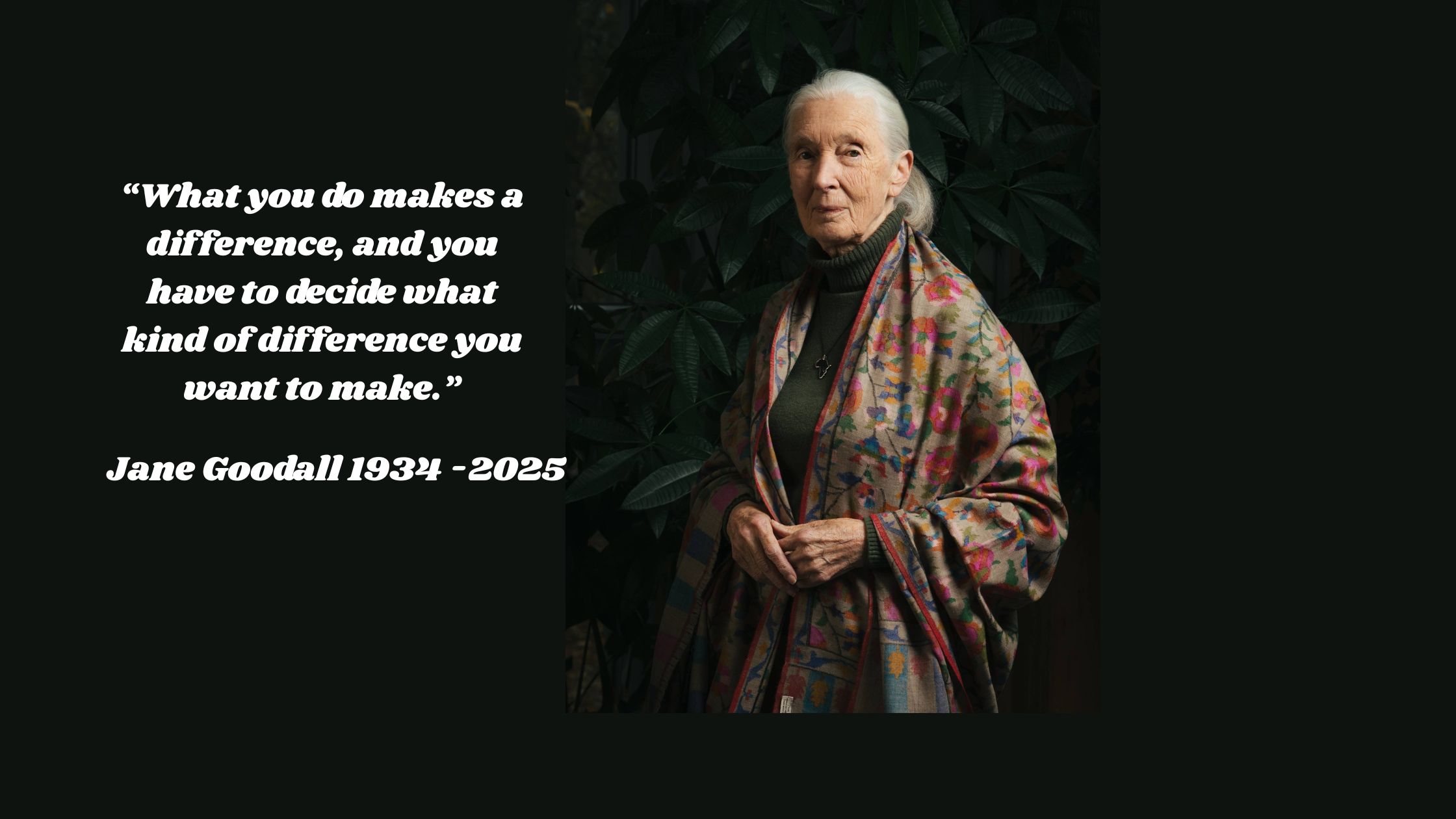
Jane Goodall — A compassionate Revolutionary
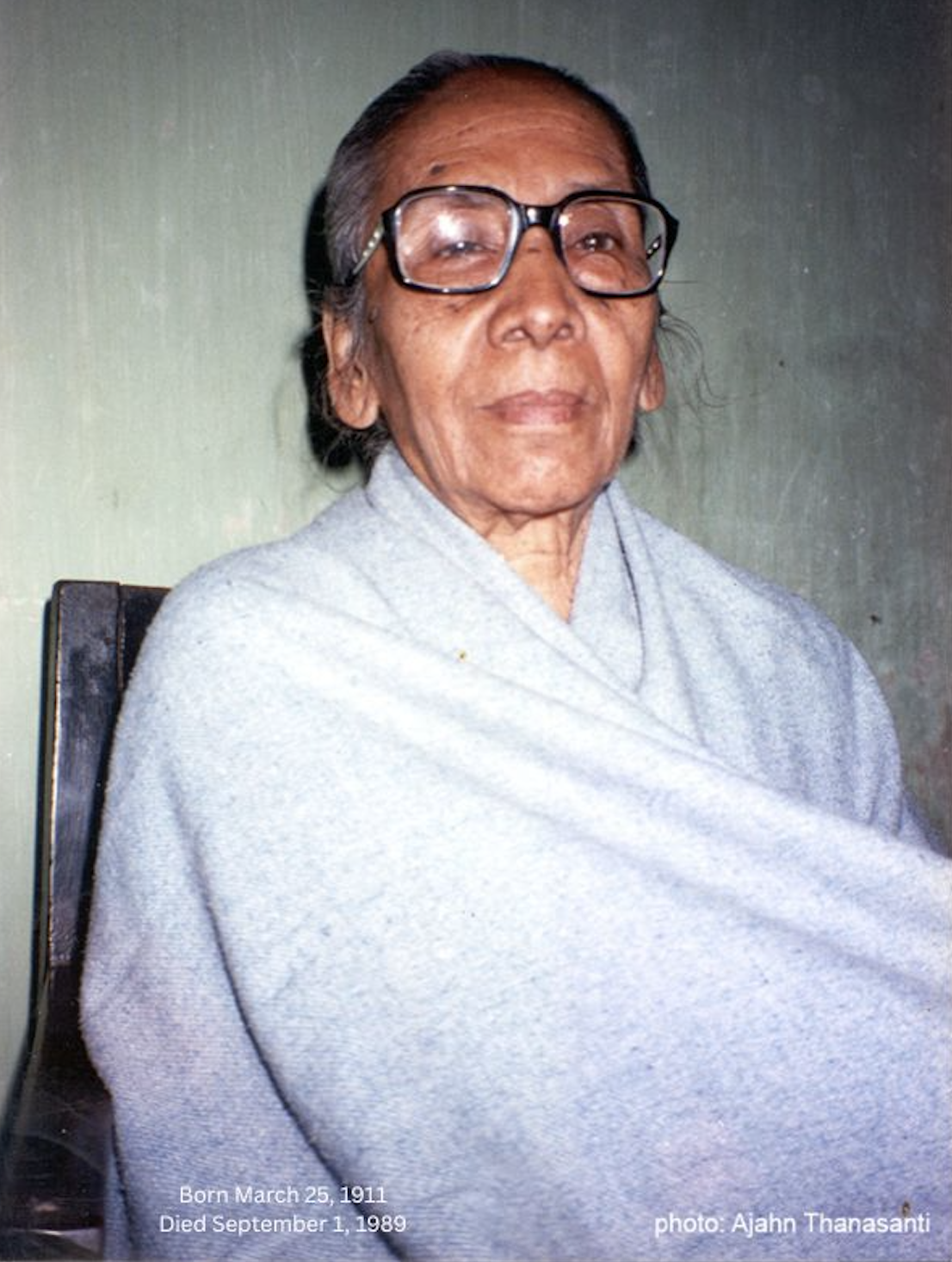
Dipa Ma: When Suffering Becomes the Path
Awakening Truth Newsletter!